Skip to content
  English
  Spanish
Choosing the right packaging equipment is one of the highest-leverage decisions your business will make on the production floor. The machine you install directly affects shelf life, labor cost, daily throughput, and how your product looks when a buyer picks it up. Yet with so many packaging machine types on the market, it is easy to feel overwhelmed before you even request a quote.
This guide breaks down the main types of packaging machines you will encounter — vacuum, modified atmosphere (MAP), skin (VSP) and tray sealing — explains how each one works, and shows you exactly how to choose the right packaging machine for your product, your volume and your budget. By the end, you will know which technology protects your food best and which questions to put to suppliers before you sign.
What Are the Main Types of Packaging Machines?
Most fresh and prepared food lines fall into a handful of proven categories. The four we cover here — vacuum, modified atmosphere, skin and tray sealing — account for the majority of food packaging machine applications in meat, seafood, dairy, produce and ready-meal production. Each method removes or replaces the air around your product, but they do it differently and suit different products.
If you are new to the space, start with the fundamentals: a vacuum machine pulls air out of a flexible bag, while MAP and skin machines replace the air with a protective gas mix. Tray sealers lock a pre-made meal or product into a rigid tray. Understanding these building blocks makes the rest of this guide easier to apply to your own line.
Vacuum Packaging Machines
In a vacuum packaging machine, the product is placed in a barrier bag or chamber, air is extracted by a pump, and the film is heat-sealed. With oxygen removed, aerobic bacteria and mold cannot grow, so your product stays safe and fresh far longer than in ordinary wrapping. It is the most established technology in the machine for packaging industry segment and the easiest place for most businesses to start.
Working Principle
The process is straightforward. You load the bag into the chamber, the machine evacuates air to a set vacuum level (often 1–5 mbar for food), then seals the open end with a heated bar. Some models use external (snorkel) suction for large or bulky items, while chamber machines handle higher volumes with better consistency. For a deeper look at the mechanics, read our explainer on what a vacuum packaging machine is and how it works.
Best for — Meat, Seafood, Coffee, Nuts
Vacuum is the workhorse for anything sensitive to oxygen. Use it for raw and cured meat, fresh and smoked seafood, roasted coffee beans, nuts, cheese and dry goods. It is also the lowest-cost entry point if you run a small business scaling up, because tabletop chamber units start at a modest price and grow with your output. Browse the full range of vacuum packaging machines to see where your line fits.

| Need the full vacuum machine catalog? Compare chamber, snorkel and automatic conveyor models side by side, with specs your procurement team can act on. |
Modified Atmosphere (MAP) Packaging Machines
Modified atmosphere packaging replaces the air inside a package with a tailored gas mix — typically nitrogen, carbon dioxide and sometimes oxygen — to slow spoilage while keeping the product looking fresh. Unlike vacuum, the pack is not collapsed against the food, which matters for delicate or presentable items.
Working Principle
After the product is trayed, the machine flushes the chamber with your chosen gas recipe, then seals a lidding film on top. The gas composition is matched to the food: high CO₂ for meats, higher N₂ for produce, and a little O₂ for red meat color stability. The result is a pillow of protective atmosphere that extends shelf life without crushing the product. Our guide to how modified atmosphere packaging works goes deeper on gas selection.
Best for — Red Meat, Poultry, Ready Meals
MAP shines where appearance and a longer chilled shelf life drive sales: case-ready red meat, poultry, mixed salad kits and ambient-stable ready meals. If your retail buyers expect a full, uncollapsed pack, modified atmosphere (MAP) packaging machines are usually the right call over vacuum.
Skin (VSP) Packaging Machines
Vacuum skin packaging (VSP) seals a flexible film tightly around the product like a second skin, with the item locked onto a rigid tray. It combines the oxygen removal of vacuum with the premium, leak-proof presentation of a fixed pack.
Working Principle
The product sits on a pre-formed tray. A top film is heated and drawn down under vacuum so it conforms exactly to the contours of the food and the tray, then bonds to the tray flange. The pack is rigid, transparent and almost impossible to leak in transit. For the engineering detail, see our article on the skin packaging machine working principle.
Best for — Fresh Retail Meat, Seafood, Cheese
Skin packaging is the premium choice for case-ready fresh meat, seafood fillets and specialty cheese where the look on the shelf sells the product. Explore vacuum skin packaging (VSP) machines if presentation is part of your brand.
Tray Sealing Machines
Tray sealing machines lock a product — usually a ready meal, deli portion or fresh produce — into a rigid or semi-rigid tray with a sealed lidding film. They are the backbone of convenience food and foodservice packaging.
Working Principle
A filled tray is placed in the machine, a roll of lidding film advances over it, and a heated die compresses the film to the tray rim to form a leak-tight seal. Options range from manual desktop sealers to fully automatic inline systems that integrate with filling and labeling. Many tray sealers can also run MAP gas flush as an added step.
Best for — Ready Meals, Deli, Produce
If your business sells ready meals, deli counters or pre-packed produce, tray sealing is the natural fit. It is fast, consistent and retail-friendly. Review the manual tray sealing machines range to match your batch size and labor plan.
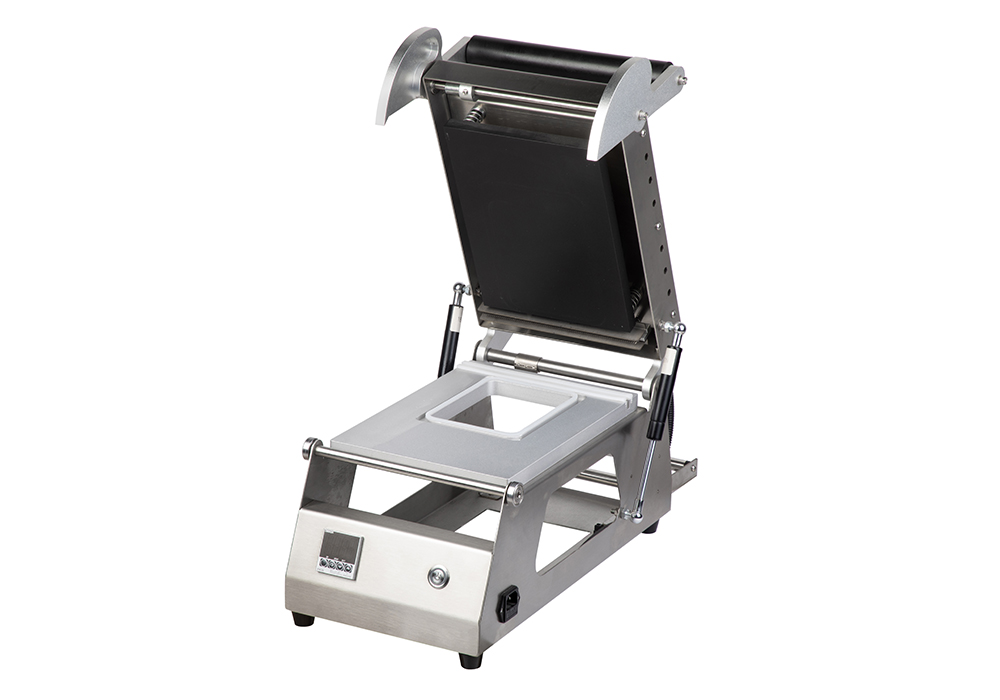
| Comparing tray sealing models? Get the spec-by-spec comparison of manual and automatic tray sealers so your team can shortlist with confidence. |
How to Choose the Right Packaging Machine
With the four main technologies clear, the buying decision comes down to five practical questions your business must answer before you talk to any supplier:
- What is your product? Soft, fragile or high-value items favor skin or MAP; robust items suit vacuum bags.
- What shelf life do you need? Longer chilled life points to MAP or vacuum; short-turn fresh produce may only need tray sealing.
- What is your hourly output? Low batch volumes fit manual or tabletop units; high volumes need automatic inline systems.
- What is your footprint and utility supply? Check floor space, compressed air and electrical load before you commit.
- What does certification require? Food contact demands CE (and relevant local) compliance; confirm before purchase.
Quick Selection Tool: Match Your Priority to a Machine
| If your priority is… | Recommended machine type | Why it fits |
|---|---|---|
| Longest shelf life for raw meat | Vacuum or MAP | Removes or displaces oxygen that drives spoilage |
| Premium retail presentation | Skin (VSP) | Tight, leak-proof, transparent pack that sells on sight |
| Ready meals or deli trays | Tray sealing | Fast, consistent, retail-ready sealed trays |
| Lowest-cost entry point | Vacuum (tabletop) | Small footprint, modest price, scales as you grow |
| Gas-flushed fresh produce | MAP | Keeps color and texture without collapsing the pack |
Packaging Machine Comparison Table
| Machine type | How it protects product | Best product examples | Output style | Indicative cost range |
|---|---|---|---|---|
| Vacuum | Air removed from bag, heat-sealed | Meat, seafood, coffee, nuts, cheese | Manual tabletop to automatic inline | ~$800 – $30,000+ |
| Modified atmosphere (MAP) | Protective gas mix flushed in | Red meat, poultry, ready meals, produce | Semi-auto to automatic inline | ~$3,000 – $40,000+ |
| Skin (VSP) | Film vacuum-formed to product on tray | Retail meat, seafood, cheese | Manual to semi-automatic | $7,500 – $20,000+ |
| Tray sealing | Lidding film sealed to tray rim | Ready meals, deli, produce | Manual to fully automatic inline | ~$1,500 – $50,000+ |
Indicative industry ranges; actual pricing depends on output, footprint, options and local compliance requirements.
FAQs
What Is the Most Cost-Effective Packaging Machine for a Small Food Business?
For most small businesses, a tabletop vacuum chamber machine is the cheapest way to add real shelf-life value. It needs little floor space and no special utilities. Move to MAP or tray sealing only once your volume or retail expectations justify the higher upfront cost.
Which Extends Shelf Life Longer — Vacuum or MAP?
Both remove oxygen, the main driver of spoilage. Vacuum gives the longest life for non-respiring foods like meat, cheese and coffee. MAP can match or beat vacuum for chilled ready meals and produce because the gas mix also controls humidity and color. The right choice depends on your product, not a generic ranking.
Can One Machine Handle Both Vacuum and MAP Packaging?
Many chamber and tray-sealing systems support both: they can run a pure vacuum cycle or a gas-flush (MAP) cycle by switching the program and adding a gas supply. If your line serves mixed products, ask suppliers for a dual-mode model so you do not buy two machines.
How Much Throughput Should I Specify for My Production Line?
Start from your peak hourly packs and add a 20–30% buffer for growth and downtime. A manual sealer may do a few hundred packs per hour; an automatic inline system handles several thousand. Undersizing forces overtime and quality drift, while oversizing wastes capital — spec to your real peak, not your average.
Do Packaging Machines Need Food-Grade Certification?
Yes. Any machine touching food must use food-grade materials (typically stainless steel contact parts) and carry the certifications required in your market — CE is standard for Europe, with additional local approvals elsewhere. Confirm certs in writing before purchase; they protect your business in audits and recalls.
How Much Floor Space and Utility Supply Do These Machines Need?
Tabletop units need under a square meter and a standard outlet. Automatic inline systems need several meters of line, stable compressed air (often 6–8 bar) and higher electrical load. Measure your cell, confirm utilities, and check door widths before you commit — install surprises are the most common cause of delayed launches.
Conclusion
Choosing between vacuum, MAP, skin and tray sealing comes down to your product, your shelf-life target, your volume and your budget. Start with the comparison table above, match your priority in the selection tool, then shortlist two or three suppliers. Ask each for a live demo on your actual product and film — that single step will tell you more than any brochure.