Skip to content
  English
  Spanish
When you are specifying packaging for your production line, the choice between skin packaging and vacuum packaging is rarely just about looks. It shapes shelf life, labor, film cost, and how your product performs on a retailer’s shelf. This guide breaks down the real differences so your business can choose with confidence—without sifting through supplier jargon.
What Is The Difference Between Skin And Vacuum Packaging?
At a glance, both methods remove air to slow spoilage. The difference is in how tightly the package hugs the product.
Skin packaging—often called vacuum skin packaging (VSP)—seals a heated, flexible film directly onto the product and the rigid tray or board beneath it. The film becomes a near-invisible “second skin” that follows every contour. Your product stays locked in place and fully visible.
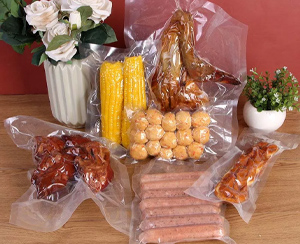
Vacuum packaging, by contrast, places the product inside a flexible bag or pouch, extracts the air from inside, and heat-seals the bag shut. There is no rigid tray required; the package takes the shape of the item.
If you only remember one distinction: skin packaging bonds film to a tray around the product, while vacuum packaging seals the product inside a bag. You can see both formats compared across our vacuum skin packaging machine and vacuum packaging machine ranges.
How Do They Work Differently?
The mechanics explain why each method suits different products.
The Skin Packaging Process
1. You place the product on a pre-formed tray or paperboard.
2. A top web of specialist skin film is heated until pliable.
3. The machine pulls a vacuum, drawing the warm film down so it conforms tightly to the product and seals to the tray flange.
4. The result is a wrinkle-free, transparent pack with almost no headspace
Read our guide on skin packaging machine working principle.

The Vacuum Packaging Process
1. You load the product into a high-barrier bag or pouch.
2. The bag goes into a chamber (or under an external vacuum nozzle).
3. Air is evacuated—chamber machines can reach very deep vacuum levels, far below atmospheric—then the bag is heat-sealed.
4. The pack shrinks around the item with no rigid tray needed.
Because chamber vacuum packaging machines remove air so completely, they are the workhorse for bulk proteins, coffee, and non-food items like electronics or medical devices. For tray-based retail packs, a tray sealer is often paired with either method.
Which Lasts Longer: Skin Or Vacuum Packaging?
Shelf life depends on how much oxygen remains and how well the pack blocks it.
Independent studies on fresh beef show vacuum skin packaging can keep wet-aged cuts stable for around 35 days, with lower protein and lipid oxidation than traditional vacuum packs. Vacuum packaging itself already extends shelf life roughly 3–5 times versus conventional methods, and frozen vacuum-packed meat can stay safe for 2–3 years.
So which wins? For maximum oxygen removal and the longest ambient cold-chain life, deep vacuum bag packaging is hard to beat. But skin packaging’s tight film reduces purge (the liquid that pools in vacuum bags) and holds colour stability well during retail display—one reason many premium meat and seafood brands choose it. The honest answer for your business: both extend life dramatically; the right pick depends on whether you prioritize deepest vacuum or best in-case presentation. Read our post on the vacuum packaging machine.
| Factor | Skin Packaging (VSP) | Vacuum Packaging |
|---|---|---|
| How it seals | Heated film bonded to product and rigid tray | Air evacuated from a bag, then heat-sealed |
| Product contact | Film hugs every contour; item immobilized | Bag shrinks around item; no tray needed |
| Appearance | Transparent, form-fitting retail display | Takes product shape; less showcase look |
| Oxygen control | Very low headspace; small residual O2 in folds | Deep chamber vacuum = near-complete air removal |
| Typical shelf life | ~35 days (wet-aged beef, per studies); low purge | 3–5× vs conventional; frozen up to 2–3 years |
| Best for | Premium meat, seafood, cheese, deli, hardware | Bulk proteins, coffee, grains, electronics, medical |
| Consumables | Skin film plus rigid tray or board | High-barrier bags or pouches |
| Capital cost | Higher (specialized film and tray handling) | Lower entry (chamber and external sealers) |
Which Is Cheaper: Skin Or Vacuum Packaging?
“Cheaper” depends on what you count: machine capital, film, labor, or rejects.
Machine investment: A basic chamber vacuum sealer is one of the lowest-cost entries into professional packaging. Automated vacuum skin lines—with heated film, forming, and sealing—represent a larger capital outlay because the film and tray handling are more specialized.
Consumables: Vacuum bags are simple and widely available. Skin packaging needs a top skin film plus a rigid tray or board, so per-pack material cost is typically higher.
Labor and speed: Chamber vacuum machines are easy to staff and maintain. Skin lines run fast once set up but demand tighter film calibration.
Throughput matters: If your business packs a few hundred units a day, a chamber or external vacuum sealer is usually the economical start. If you ship thousands of retail trays daily, a skin or MAP line pays back through automation and fewer rejects.
Not Sure Which Line Fits Your Budget?
Tell us your product, volume, and retail format. We will match you with the right vacuum or skin packaging machine and a realistic cost picture.
When To Choose Skin Packaging
Choose skin packaging when:
• Your product sells on visibility—premium meat, seafood, cheese, deli, or hardware shown on a card.
• You need the item immobilized to survive transit and display without shifting.
• You want minimal purge and strong colour retention on the shelf.
• A rigid tray presentation fits your brand and retail format.
Its transparent, form-fitting look is exactly why high-value fresh foods use it for case-ready retail. Browse our vacuum skin packaging machines to see manual, semi-automatic, and automatic options.
When To Choose Vacuum Packaging
Choose vacuum packaging when:
• You pack bulk proteins, coffee, grains, nuts, or non-food items (electronics, medical devices, textiles).
• Deep oxygen removal and the longest possible shelf life are the priority.
• You want the lowest barrier to entry—simple bags, broad machine choice, easy staffing.
• Products are irregular shapes or liquids that don’t suit a rigid tray.
For exports across long, warm supply chains, the near-complete air removal of a chamber vacuum seal is often the safer bet.
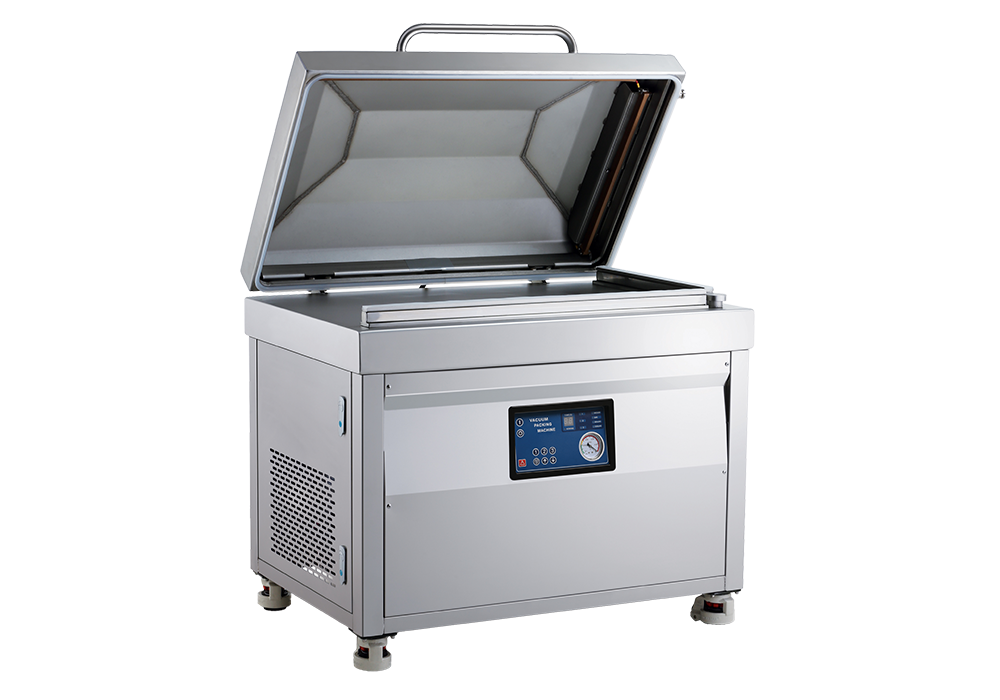
Ready To Compare Machines Side By Side?
From tabletop sealers to automatic lines, we help your business find the vacuum solution that matches your volume and product.
Can You Combine Skin And MAP?
Yes—and it is becoming common for premium fresh food.
Modified atmosphere packaging (MAP) replaces the air inside a tray with a protective gas mix (typically nitrogen, carbon dioxide, and a controlled level of oxygen). Skin packaging can be the sealing method on top of a MAP tray: the skin film locks the product while the gas blend slows bacterial growth and helps maintain meat colour.
The combination gives you the presentation of skin packaging plus the microbial control of MAP—ideal for chilled ready meals, processed meat, and seafood. If your line targets retail fresh food, a modified atmosphere packaging (MAP) machine paired with a tray sealer is worth evaluating.
30-Second Decision Card
Choose Skin Packaging if you…
…sell on visibility, need purge control, or ship premium retail trays.
Choose Vacuum Packaging if you…
…need deepest oxygen removal, pack bulk or irregular items, or want the lowest entry cost.
FAQs
What Is The Main Difference Between Skin And Vacuum Packaging?
Skin packaging seals a heated film onto the product and a rigid tray, while vacuum packaging evacuates air from a flexible bag and seals it. Skin shows the product in a form-fitting display; vacuum gives the deepest air removal without a tray.
Which Packaging Method Gives A Longer Shelf Life: Skin Or Vacuum?
Deep vacuum bag packaging generally achieves the lowest oxygen levels and the longest cold-chain life. Vacuum skin packaging still extends life significantly (studies cite ~35 days for wet-aged beef) and reduces purge, making it strong for retail display. Choose based on whether you need deepest vacuum or best shelf presentation.
Is Skin Packaging More Expensive Than Vacuum Packaging?
Usually yes on a per-pack basis, because skin needs both film and a rigid tray, and the equipment is more specialized. Chamber vacuum sealers have a lower entry cost. For high-volume retail lines, skin automation can pay back through speed and fewer rejects.
Can You Combine Skin Packaging With Modified Atmosphere (MAP)?
Yes. Skin film can seal a MAP tray filled with a protective gas mix, combining premium presentation with microbial control. This is common for chilled ready meals, processed meat, and seafood.
What Products Are Best Suited For Skin Versus Vacuum Packaging?
Skin suits premium, display-driven foods—fresh meat, seafood, cheese, deli. Vacuum suits bulk proteins, coffee, grains, nuts, and non-food items like electronics or medical devices where deepest vacuum and low cost matter most.
Do I Need Different Films Or Trays For Skin Versus Vacuum Packaging?
Yes. Vacuum uses high-barrier bags or pouches; skin requires a heat-shrinkable skin film plus a rigid tray or board. MAP versions need gas-flush compatible trays and films. Matching consumables to the method is essential for seal integrity.
Conclusion
Neither method is universally “better”—they solve different problems. Skin packaging wins on presentation, purge control, and case-ready appeal. Vacuum packaging wins on deepest oxygen removal, flexibility, and entry cost. The right choice for your business comes down to your product, retail format, volume, and supply chain.
Let’s Spec Your Packaging Line
Send us your product, tray, and daily volume. We will recommend whether skin, vacuum, or a MAP combination is the smartest move for your business.