Skip to content
  English
  Spanish
If you run a vegetable processing plant, a farm packhouse, or a fresh-food distribution business, the vegetable packing machine you choose directly controls your shelf life, your labor cost, and the rate of rejects your customers send back. According to the FAO, roughly 14% of all food is lost between harvest and retail worldwide, and packaging, storage, and logistics are among the largest levers you have to stop that loss. This guide walks you through what these machines are, how a vegetable vacuum packing machine actually works, the main types on the market, which vegetables each method protects best, and exactly how to choose the right model for your business. By the end, you will be able to shortlist equipment with confidence instead of guessing from a spec sheet.
What Is a Vegetable Packing Machine?
A vegetable packing machine is any piece of equipment — or integrated line — that prepares fresh or processed vegetables for sale by weighing, filling, sealing, and finishing them into a bag, tray, or wrap. In practice the term covers a wide range: a small tabletop sealer for a family farm, a double-chamber unit for wholesale, and a fully automatic modified-atmosphere line for a prefabricated-salad factory. The core job is always the same — remove or replace the air around the product so it stays crisp, clean, and saleable for longer.
Most vegetable packing today relies on one of four protective technologies: vacuum sealing, modified atmosphere packaging (MAP), vacuum skin packaging, and cling-film wrapping. They are not interchangeable — each one is matched to a different vegetable texture, respiration rate, and sales channel, which is exactly why understanding the differences saves you from buying the wrong machine.

How Does a Vegetable Vacuum Packing Machine Work?
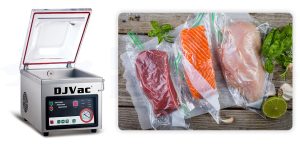
A vegetable vacuum packing machine protects produce by pulling air out of the package and heat-sealing it shut, creating an oxygen-poor environment where aerobic bacteria and mold struggle to grow. The cycle is simple and repeats hundreds of times per shift:
- Load — you place the bagged or trayed vegetable inside the chamber.
- Evacuate — the pump removes air down to the target vacuum level.
- Seal — a heated bar fuses the film or bag mouth shut.
- Vent — the chamber re-pressurizes and the sealed pack is released.
- Remove & repeat — on automatic rolling and double-chamber models the next cycle starts while you unload.
Food-grade builds use 304 stainless steel chambers and lids because they resist corrosion, tolerate daily washdown, and meet hygiene standards. One important limitation to plan around: hard vacuum crushes delicate leaves, so a vacuum packaging machine is ideal for root, blanched, pickled, and dried vegetables, but it is the wrong choice for retail-ready leafy greens — which is where MAP takes over.
What Types of Vegetable Packing Machines Exist?
When buyers search for an automatic vegetable packing machine, they are usually comparing several distinct machine families. Picking the right family matters more than comparing two models inside the same family, so start here:
| Machine Type | How It Protects Produce | Best Vegetable Fit | Output Level |
|---|---|---|---|
| Chamber vacuum (tabletop / floor / double-chamber) | Removes air fully; anaerobic seal | Root, blanched, pickled, dried vegetables | Low to high |
| External / belt vacuum sealer | Seals bulky or long bags without a chamber | Large wholesale packs, bulk greens | Medium |
| MAP tray sealer (manual / semi / auto) | Replaces air with a protective gas mix | Leafy, fresh-cut, ready-to-eat salads | Low to very high |
| Vacuum skin packaging | Clings film tight to the product on a board | Premium cut vegetables, value-added packs | Low to medium |
| Cling-film wrapping (supermarket) | Fast stretch wrap for loose retail trays | Loose greens, weighted veg trays | Medium to high |
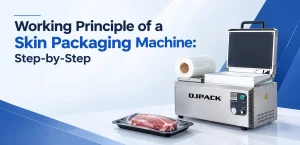
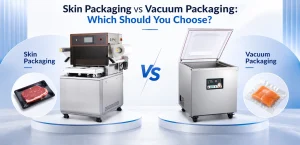
A vacuum skin packaging machine deserves a special mention for B2B buyers: it locks a film tightly around the vegetable on a rigid board, giving a premium, leak-free retail pack without crushing delicate items. If your channel is food service or high-end retail, it is worth evaluating alongside MAP.
Which Vegetables Can Be Packed?
The single most useful rule is to match the respiration rate of the vegetable to the packaging method. Vegetables are living products — they keep breathing after harvest, lose moisture, and yellow quickly once exposed. Group them like this:
- Low-respiration, compression-tolerant: carrots, potatoes, beets, turnips, blanched vegetables, pickled vegetables, dried vegetables — vacuum sealing is ideal.
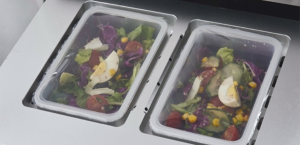
- High-respiration, delicate: lettuce, spinach, herbs, fresh-cut salad mixes, diced vegetables — MAP tray packing preserves crispness and color without crushing.
- Retail loose: bunched greens, weighted trays, mixed bundles — cling-film wrapping is the fastest daily solution.
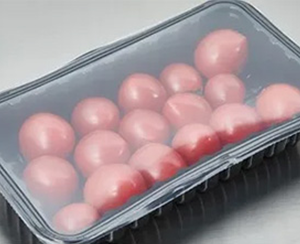
For fresh and cut vegetables, a widely used MAP gas ratio is 5% O₂ + 10% CO₂ + 85% N₂. The low oxygen slows respiration and delays aging, the carbon dioxide suppresses bacteria and mold, and the nitrogen keeps the tray plump so the pack does not collapse onto the produce. (Always validate the exact mix with your supplier against your specific vegetable and target shelf life.)
| Vegetable Group | Recommended Method | Typical Shelf-Life Gain |
|---|---|---|
| Root & processed vegetables | Vacuum sealing | Weeks to months (frozen/stored) |
| Leafy & fresh-cut | MAP tray packing (5/10/85) | Several extra days chilled |
| Loose retail greens | Cling-film wrapping | Same-day to 2 days |
For a full breakdown by vegetable category and the machine models matched to each, review our fresh vegetable custom packaging solutions.
How to Choose a Vegetable Packing Machine
Choosing the right vegetable packaging machine is a spec-and-workflow decision, not a price-alone decision. Work through these six questions with your team before you request quotes:
- What vegetable and how fragile? Delicate leafy greens rule out hard vacuum; root and processed vegetables rule it in.
- What is your sales channel? Export and wholesale favor vacuum and MAP for longest life; supermarket retail favors MAP trays and cling film for shelf appeal.
- What throughput do you need? Count packs per minute at peak. Tabletop units suit low volume; a double-chamber or automatic MAP tray sealing machine suits 24-hour lines.
- What utilities are available? Confirm power (220V/380V), compressed air, and footprint against your floor plan.
- What film and tray are you committed to? MAP needs high-barrier trays and films; verify compatibility before purchase.
- What certifications and support matter? For export, CE (and region-specific marks) plus accessible spare parts and training protect your uptime.
| If Your Situation Is… | Start With | Why |
|---|---|---|
| Small farm, low daily volume | Tabletop vacuum sealer | Low cost, flexible, easy to learn |
| Medium processor, mixed root veg | Floor or double-chamber vacuum | Higher speed, lower labor per pack |
| Fresh-cut salad / retail line | Semi / automatic MAP tray sealer | Protects crispness, no crushing |
| Supermarket daily retail | Cling-film wrapping machine | Fast, neat, low failure rate |
| Not sure which model fits your vegetable mix? Send us your vegetable type, daily volume, and target channel, and our engineers will map you to the right vacuum, MAP, or wrapping configuration. |
Quick-Select: Which Vegetable Packing Machine Fits Your Business?
Use this interactive checklist to narrow your shortlist in under a minute. Click each question to reveal the recommendation.
My vegetables are delicate leafy greens for retail — what do I pick?
Choose a MAP tray sealer. Hard vacuum would crush the leaves; MAP keeps them crisp and colorful. Start with a semi-automatic unit and scale to automatic as volume grows.
I pack root and processed vegetables in bulk — what do I pick?
A chamber vacuum machine is your best value. A double-chamber model nearly doubles throughput versus a single chamber by loading while the other seals.
I run a supermarket and need fast daily wrapping — what do I pick?
A cling-film wrapping machine gives the fastest, neatest result for loose greens and weighted trays, with a low failure rate and broad tray compatibility.
I want one line for export and retail — what do I pick?
Plan a modular line: vacuum for storage/export plus MAP for retail trays, sharing the same control system. Confirm CE and tray/film compatibility up front.
FAQs
Can one vegetable packing machine handle both leafy greens and root vegetables?
Not with a single method. Leafy greens need MAP or cling film to avoid crushing, while root and processed vegetables are best under hard vacuum. Most businesses either run two machines or a modular line that combines vacuum and MAP stations.
What is the difference between vacuum packing and MAP for vegetables?
Vacuum packing removes all air for an anaerobic seal — great for sturdy, low-respiration vegetables. MAP replaces the air with a controlled gas mix (commonly 5% O₂ / 10% CO₂ / 85% N₂ for vegetables) so delicate items stay crisp and un-crushed. Choose based on fragility and channel.
How many bags or trays per minute can an automatic vegetable packing machine pack?
It varies by model and pack size. Tabletop units handle a few packs per minute; double-chamber vacuum machines and automatic MAP tray sealers support continuous, high-volume output for industrial lines. Always size the machine to your peak hourly demand, not your average.
Do I need compressed air or special film for a MAP vegetable packing machine?
Most MAP tray sealers need a clean compressed-air supply and high-barrier trays and films to hold the gas mix without leakage. Confirm utility requirements and film specs with the supplier before you commit, because retrofitting later is costly.
Is a vegetable packing machine worth it for a small farm or packhouse?
Often yes. Even a tabletop vacuum sealer cuts spoilage, lets you sell branded packs, and supports longer-distance sales. The payback comes from lower rejects, less waste, and access to retail and export channels that require sealed, dated packs.
How do I maximize the shelf life of packed vegetables?
Match the method to respiration rate, keep the cold chain unbroken, use the correct gas ratio and barrier film, and train staff on hygiene and seal checks. Pre-cooling vegetables before packing is one of the highest-impact, lowest-cost steps your business can take.
Conclusion
The right vegetable packing machine is the one matched to your vegetable’s respiration rate, your sales channel, and your true peak throughput — not the cheapest unit on a listing. Vacuum sealing wins for root and processed vegetables, and MAP wins for delicate fresh-cut retail packs. Start from the method, then choose the automation level your volume justifies.
| Ready to specify your vegetable packing line? Tell our packaging engineers your vegetable type, daily volume, and target market, and get a configured quote with the right vacuum, MAP, or wrapping machine for your business. |